







Search Results for: Flavor Clarity
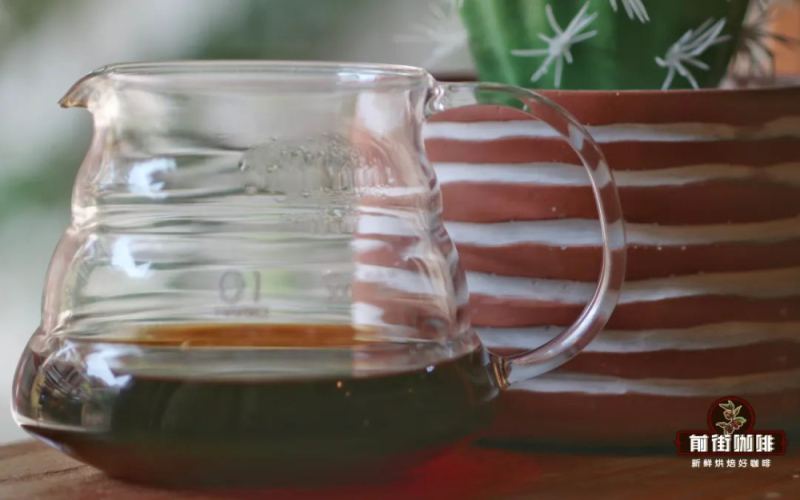
What factors affect the color depth of pour-over coffee, and how can clarity be improved?
After brewing is complete, the state of the coffee bed can reveal a lot about the extraction, and the color of the coffee liquid is also often used as a basis for judgment. Many people, upon seeing darker-colored coffee, instinctively assume it tastes stronger, or even suspect it is murky. In fact, the depth of color is related to extraction yield and roast level, but it does not directly equate to a higher or lower level of clarity. This article starts with the color of the coffee liquid, analyzes whether dark color indicates murkiness, and, using Front Street Coffee's comparative brewing examples, explains how to judge clarity through taste rather than sight, while also offering practical advice on bean selection, resting beans, parameter control, and pouring technique. [more…]
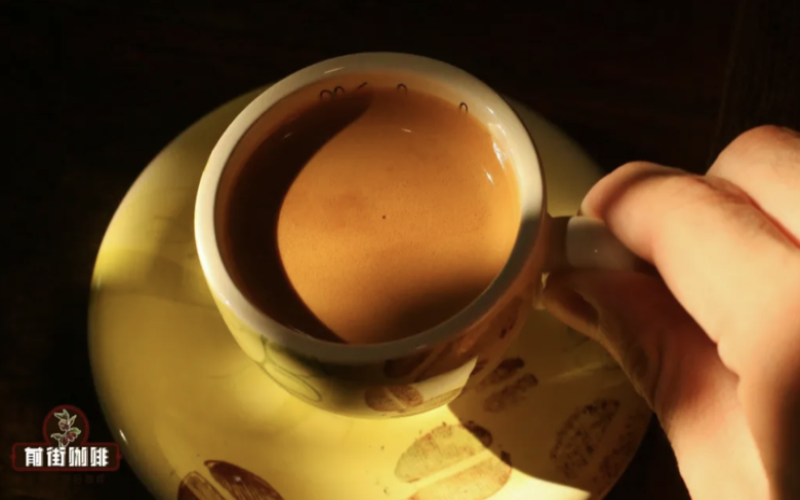
Rich or Clear: The Balance Point of Coffee's Oily Flavor
Those who chase crema often reach a fork in the road: the thicker the crema, the richer the flavor, but the delicate floral and fruity notes tend to blur along with it. Richness and clarity are like the two ends of a seesaw—finding your own balance point is more worth pondering than simply piling on more crema. The essence of crema is carbon dioxide, lipids, and proteins. [more…]
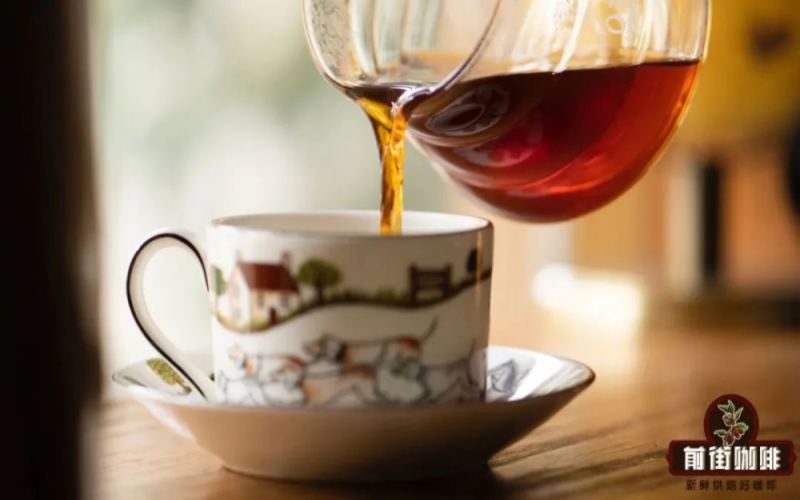
Does a cloudy pour-over coffee mean poor quality? Analyzing the relationship between coffee liquor color and clarity
Many coffee enthusiasts notice during pour-over brewing that the coffee liquid is sometimes not as clear as expected, and may even appear somewhat murky. Does this "tea-like" cloudiness mean the coffee tastes bad? This article starts from the definition of coffee liquor color, analyzes how roast level and concentration affect the hue, and then reveals the true cause of the murky sensation—the release of insoluble substances and the condensation of soluble compounds as temperature changes. Through examples using the flannel filter, AeroPress, and other equipment, it shows that cloudiness does not equal poor flavor; sometimes it instead brings a richer mouthfeel and sweetness. Front Street Coffee reminds us: judging a cup of coffee should not be based on appearance alone. [more…]
Ethiopian Natural Yirgacheffe Aricha G1: Clean Layers and Flavor Interpretation Under Light Roast
In the world of specialty coffee, natural-process beans are often celebrated for their complex layers, yet they frequently fall short of washed beans in terms of clarity. However, this natural Yirgacheffe G1 from Ethiopia's Aricha processing station shatters that preconception—it retains the rich layers of ripe fruit characteristic of natural beans while displaying a cleanliness comparable to washed coffee, making it truly stunning. This article will guide you through this bean's origin background, processing method, roast profile, and flavor performance, and compare the stylistic differences between washed and natural Yirgacheffe. Front Street Coffee will also recommend this captivating natural Yirgacheffe for you, as we explore its unique charm together. [more…]

What Exactly Does Coffee Cleanliness Mean? Interpreting the Key Indicators of Specialty Coffee Evaluation Standards
In the evaluation system of specialty coffee, cleanliness is a core indicator that cannot be overlooked, yet many coffee enthusiasts have misunderstandings about it. Some believe that cleanliness means a single flavor profile, while others equate it with the clarity of the coffee liquid. In fact, cleanliness is closely tied to coffee quality—it requires both the absence of negative defect flavors and the presence of forward flavors that are sufficiently clear and distinguishable. Front Street Coffee will start from cupping standards to systematically sort out the two-layer evaluation logic of cleanliness, helping everyone re-understand this key concept in specialty coffee evaluation and understand why it can directly reflect the overall quality level of coffee. [more…]

What Factors Affect Coffee Cleanliness? An Analysis of the Meaning and Assessment of Cleanliness in Pour-Over Coffee
When tasting pour-over coffee, clarity is often mentioned, but what exactly does it mean? Which steps can influence the clarity of a cup of coffee? From the perspective of Front Street, this article sorts out the relationship between clarity and the overall flavor performance of a cup of coffee, explaining that clarity is not an isolated indicator, but needs to be judged together with layering, aroma fullness, and aftertaste. It will also mention store information for Front Street Coffee, helping readers more accurately understand the meaning of clarity and the factors that influence it in pour-over practice. [more…]
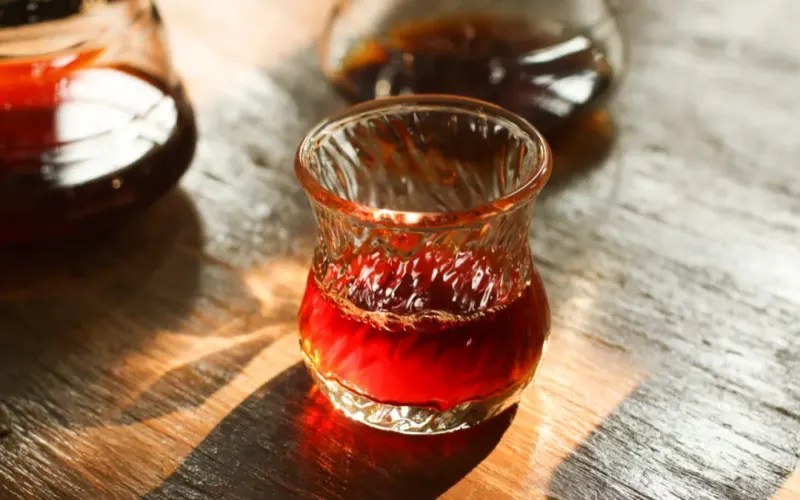
Why Is Coffee Liquid Cloudy? Causes, Oil Sources, Brewing Methods, and Whether It's Safe to Drink
Many people are used to judging the quality of a cup of black coffee by observing with the naked eye whether the coffee liquid is clear. But when coffee liquid appears cloudy with floating oils, is it an extraction problem or a normal phenomenon? This article explores the determining factors of coffee clarity, analyzes the effects of extraction methods and filtering equipment on coffee's appearance, and answers whether cloudy coffee is still safe to drink. Front Street also suggests that instead of drawing conclusions based on sight, it's better to focus on tasting itself and use flavor to judge a coffee's true quality. [more…]
Four Major Causes of Low Flavor Clarity in Pour-Over Coffee and Corresponding Adjustment Strategies
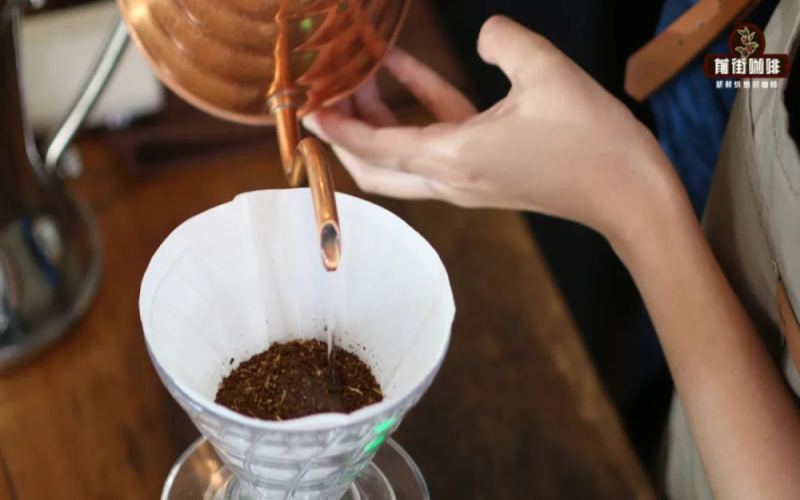
Brewing a pour-over coffee that smells of floral and fruity notes, yet tastes muddled and indistinct in the mouth, with no specific flavors you can name—this is a situation many coffee enthusiasts have encountered. The problem may not be that your technique isn't skilled enough; it could be that something has gone off in the concentration, agitation, bean resting, or water quality. This article will analyze one by one the four common reasons why coffee flavors become unclear: excessive concentration making it hard for the taste buds to distinguish details, overly strong pouring and agitation bringing out off-flavors, beans not rested well leading to unstable extraction, and using purified water for brewing resulting in a hollow mouthfeel. Each reason comes with specific ways to diagnose it and adjustment suggestions, including fine-tuning the coffee-to-water ratio, slowing down the circular pouring motion, and choosing water quality suitable for brewing coffee, to help you find the problem and make the coffee's flavor description clear and distinguishable. [more…]
A Detailed Guide to the Flavor Characteristics of Colombian Specialty Coffee Bean Regions: From Emerald Coffee to Andean Mountain Mellow Coffee
Colombian coffee is one of the few single-origin coffees sold worldwide under a country's name, and is renowned as the "Emerald Coffee." It is grown in the highlands of the Andes in northwestern South America, where the mild climate and humid air provide an ideal "natural pasture" for Arabica coffee. Colombian coffee is famous for its acidity with a hint of sweetness, mild bitterness, and excellent balance, with a silky, soft mouthfeel, a rich and full-bodied aroma, a bright, high-quality acidity, and sometimes a nutty nuance. The country's coffee-growing regions are divided into more than 200 grades, and harvests occur year-round, making it the world's largest exporter of washed Arabica coffee beans. This article will comprehensively analyze the unique charm of Colombian specialty coffee from the perspectives of its production background, flavor characteristics, geography and climate, cultivation management, and export system. [more…]
What Are the Considerations for Using a Paper Filter in an Espresso Basket? The Trade-Off Between Clarity and Body in Americano
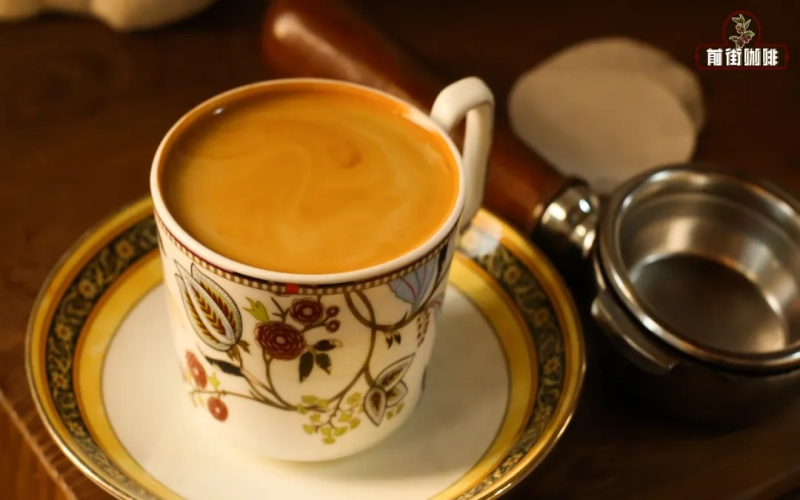
When making espresso-based Americano, some people are in the habit of placing a filter paper at the bottom of the portafilter basket—what changes does this actually bring? Starting from a comparative experiment at Front Street, this article analyzes the specific effects of filter paper on coffee cleanliness, aroma, body, and flavor layering. Filter paper can intercept the fine particles in espresso, making the Americano taste cleaner, but it may also weaken the aroma and solid mouthfeel brought by lipids. Through a comparison of two cups of Strawberry Candy Espresso Americano, the article demonstrates the significant difference between using and not using filter paper, and explains why other espresso drinks such as lattes usually do not adopt this practice. Ultimately, the choice depends on whether you want a clean, light Americano or a coffee with a solid, richly layered flavor. [more…]
Analysis of the Flavor Differences Between Iced Americano, Iced Pour-Over, and Cold Brew Coffee: Which Beans Are More Suitable for Iced Coffee
When you walk into a coffee shop and order an iced black coffee, you'll often be asked whether you want ice drip, cold brew, or iced Americano. What exactly is the difference between these three iced coffees? From Front Street's perspective, this article sorts out the differences between cold brew and ice drip in terms of extraction method, clarity of taste, and storage time, and also compares the high-temperature rapid extraction characteristics of iced Americano. The article also discusses whether cold brew really has lower acidity, the caffeine content levels of the three iced coffees, and the caffeine misconceptions about espresso and drip coffee, helping you choose the right cup according to flavor and occasion. [more…]
Sumatra Tiger Man Estate Mandheling Washed Process: Flavor Layers and Pour-Over Brewing Record
Mandheling coffee beans from the Huta Manor in the Lintong region of Sumatra, Indonesia, processed using the wet-hulled method and hand-sorted to 19 mesh and above, medium-roasted by Cafe of Memory in Hangzhou. This article documents the complete brewing process for this coffee, including parameters such as the Bonmac V02 dripper, 90°C water temperature, and a 1:15 coffee-to-water ratio, along with a detailed evaluation of its aroma and mouthfeel. Orange peel, herbs, woody smokiness, and faint floral and fruity notes interweave, while a medium body and subdued acidity form its distinctive character. Front Street Coffee recommends this bean, believing that its cleanliness and layered complexity still affirm the flagship status of Tiger-grade Mandheling. [more…]
What Makes a Good Espresso? An In-Depth Analysis of Burnt Flavors and How to Fix Them
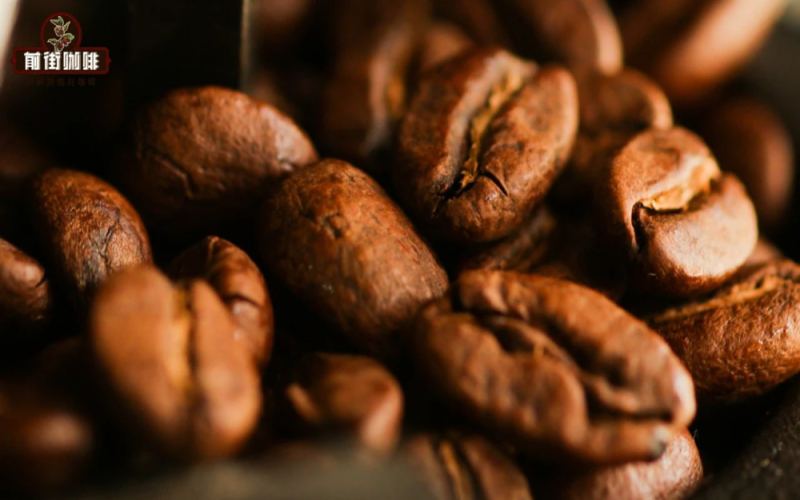
The flavor expression of espresso depends on the coordinated interplay of various parameters during the extraction process. Coffee beans have a dense structure, so fine grinding and high-pressure water flow are required to extract the ideal flavor in a short time. Baristas need to adjust the grind setting, dose, brew ratio, and extraction time according to the roast level; otherwise, underextraction or overextraction can easily occur. This article systematically sorts out the taste characteristics corresponding to three extraction states, gives the specific performance of ideal espresso in terms of sweetness, balance, layering, and clarity, and recommends two Front Street Coffee blends suitable for making espresso. At the same time, for the common burnt flavor in espresso, it analyzes the causes one by one from five perspectives: extraction time, water temperature setting, coffee bean quality, tamping method, and bean resting period, helping readers find the root of the problem. [more…]
The Japanese Dark Roast School: A Roasting Philosophy That Takes Mouthfeel as Its Faith
In an era when specialty coffee has unmistakably surged toward "light-roast fruit acidity," the Japanese roasting world took the opposite path: roasting beans dark and thorough, pursuing the mellow aesthetics of "sweetness after bitterness." Japanese-style dark roasting is not an accidental product of over-roasting, but a self-consistent philosophical system. Understanding this school will change how you think about what "coffee should [more…]
Indonesian Sumatra Golden Mandheling Drip Coffee: A Full Analysis of Medium-Dark Roast Flavor and Moka Pot Brewing
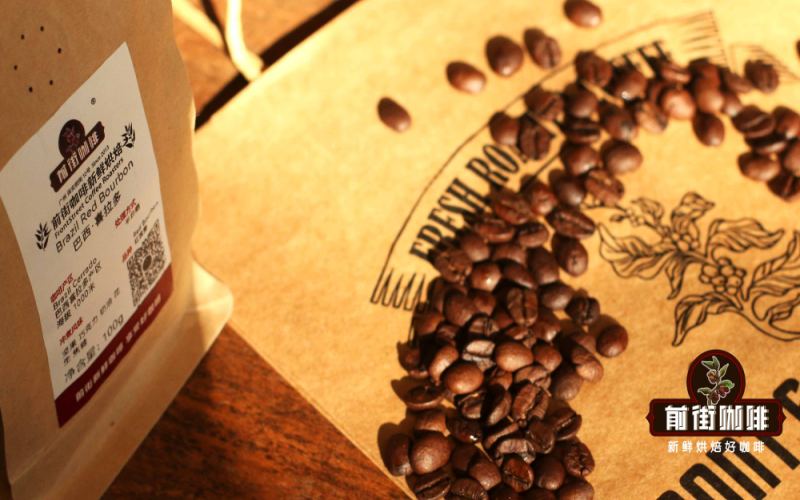
Front Street Golden Mandheling is produced in Sumatra, Indonesia, and is a premium choice within the Mandheling family. It presents herbal notes, caramel sweetness, and steady fruit acidity, with a rich, wild spice flavor and a lingering finish; even when released before second crack, it maintains excellent clarity and sweetness. This article will start from its flavor characteristics, screening process, and roasting interpretation space, explaining in detail the diverse extraction methods for this single-origin coffee, and focusing on the moka pot brewing steps and safety points to help enthusiasts better experience its sweet, mellow richness. [more…]
Smart Dripper Practical Guide: Operational Key Points and Parameter Analysis for Immersion Extraction
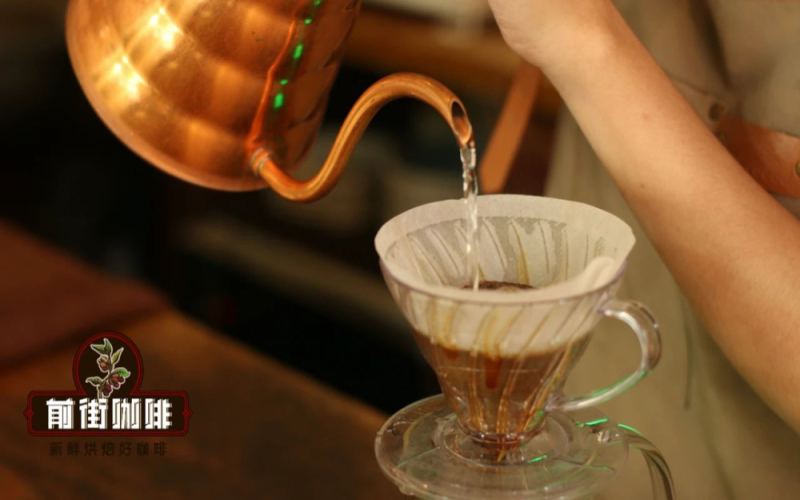
Among the many pour-over coffee devices, the Clever Cup, with its dual extraction mechanism of immersion and filtration, has become one of the easiest choices for beginners to master. It does not rely on complex pouring techniques; simply by controlling the water temperature, coffee-to-water ratio, and immersion time, you can consistently reproduce a cup of coffee with both clarity and body. Drawing on Front Street Coffee's hands-on experience, this article breaks down in detail the working principles of the Clever Cup, its suitable scenarios, and the complete steps and parameter recommendations for immersion extraction using Ethiopian Hualei beans, helping coffee enthusiasts quickly get started with this dripper that combines convenience and consistent output. [more…]
The Complete Clever Cup Operation Guide: Extraction Principles, Parameter Settings, and a Detailed Lazy-Brewing Workflow
Among the many pour-over coffee devices, the Clever Dripper has become an ideal choice for beginners thanks to its dual extraction method of immersion and filtration. Drawing on Front Street's practical experience, this article systematically explains the Clever Dripper's working mechanism, approach to parameter configuration, and specific brewing steps. It covers how key variables such as water temperature, coffee-to-water ratio, grind size, and immersion time affect flavor, and uses Ethiopian Huakui coffee beans as an example to provide a complete operating plan with 15 grams of coffee, a 1:16 ratio, and a water temperature of 94°C, helping coffee lovers easily make a cup of immersion-brewed coffee with high clarity and rounded sweetness. [more…]
Yirgacheffe Honey-Processed Red Cherry Coffee Beans: Origin Background of Hafka, Flavor Characteristics, and Pour-Over Brewing Parameters Explained in Detail
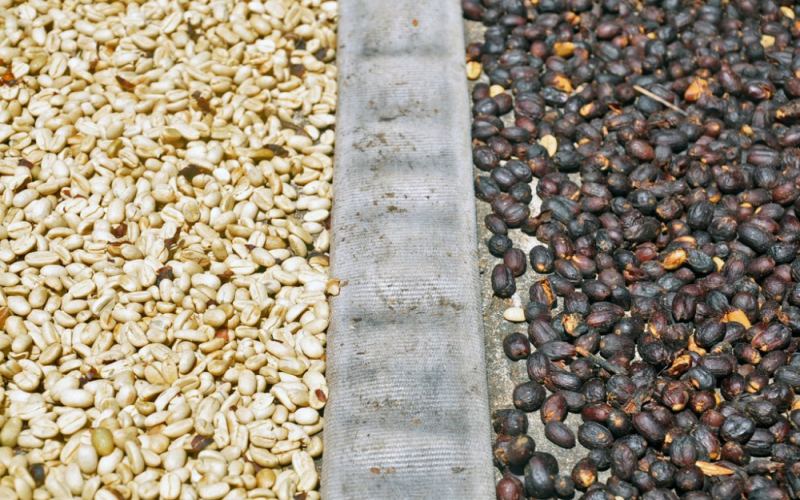
For enthusiasts just getting into specialty coffee, Yirgacheffe is often one of the first origins recommended. Baristas typically suggest starting with the two classic processing methods—washed and natural—and Front Street's washed Gutingding and Front Street's natural Red Cherry are prime representatives of this introductory path. However, the coffee we're introducing today, Front Street's honey-processed Yirgacheffe Red Cherry from the Hofusa Cooperative, offers a new taste experience beyond the traditional processing methods: it has the clarity of a washed coffee, yet adds sweetness and a caramel-like finish, along with aromatic layers of almond and citrus. This article will provide a complete overview of this bean's characteristics and extraction methods, covering the origin background, the principles of honey processing, flavor description, and specific pour-over parameters. [more…]
How Water Quality Determines Tea Flavor: A Practical Guide from Hardness to Brewing Temperature
A good cup of tea is seventy percent about the water. Many people focus only on the tea leaves when brewing, overlooking the decisive influence water quality has on flavor. Water hardness, pH, chlorine content, and total dissolved solids all directly affect the clarity and aromatic layers of the tea liquor. Drawing on real-world cases, this article explains why hard water causes iced tea to turn cloudy, how chlorine masks tea aroma, and offers actionable testing and filtration solutions. It also includes target water temperatures and steeping times for the six major tea categories, along with flavor references for common tea varieties. Whether you run a coffee shop or are a tea enthusiast, you'll find practical methods here to improve the consistency of your output. At the end, there's also information about Front Street Coffee's related products, which is worth checking out. [more…]
The Complete Guide to Brewing Geisha Coffee with a French Press: Grind, Water Temperature, Ratio, and Timing Parameters Explained
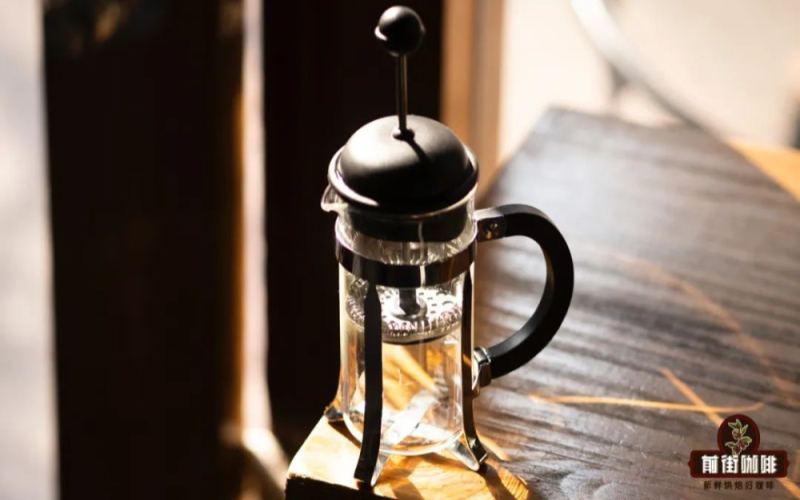
The French press has a low barrier to entry, but if you want to consistently brew a good cup of coffee, the key still lies in parameter control. This article starts with the origin and structure of the French press, sorts out the approach to bean selection, and gives specific suggestions around four variables: grind size, water temperature, coffee-to-water ratio, and steeping time. Using the medium-light roasted Front Street Grana Geisha as an example, it explains the yellow peach, apricot, citrus, and lemon notes brought by the natural process, as well as its refreshing performance whether hot or cold. It will also mention the pros and cons of a fine grind, the trade-off between body and clarity brought by the metal filter, and the key points for disassembling and cleaning after use. [more…]